

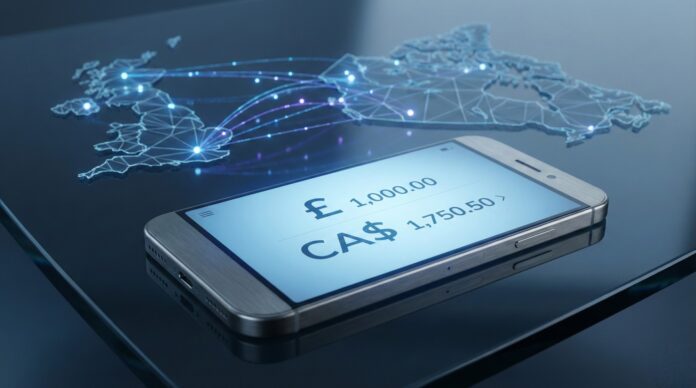
Apple has finally made good on its promise. The company’s “Buy Now, Pay Later” (BNPL) expansion has officially landed in the United Kingdom and Canada. But this isn’t the same service that launched—and subsequently vanished—in the U.S. last year. After killing off its standalone lending arm, Apple has stopped trying to be the bank. Instead, it’s playing the ultimate middleman.
The expansion integrates third-party heavyweights—specifically Klarna and Affirm—straight into the Apple Pay interface. For millions of iPhone users in these regions, the friction of signing up for loans at checkout is gone. You can now access installment plans without ever leaving the Wallet app.
A Pivot in Strategy: Partners Over Proprietary Lending
The road to this global launch was messy. Originally, Apple insisted on doing it all themselves. They launched “Apple Pay Later” in the U.S. as a proprietary walled garden where an Apple subsidiary handled the underwriting. It didn’t last. In mid-2024, the company shuttered that internal program to pivot toward “Installments in Apple Pay”—an open framework that lets outside banks plug directly into the OS.
This pivot is strictly pragmatic. By hooking into the infrastructure of Klarna and Affirm, Apple sidesteps the regulatory headache of managing credit checks and debt collection across different borders. It allows them to scale fast. Users in London and Toronto aren’t getting a tentative beta test; they are getting immediate access to established, regulated lending networks.
“Our focus continues to be on providing our users with access to easy, secure, and private payment options,” an Apple spokesperson said. Translating corporate-speak: Apple builds the interface; the partners take the financial risk.
The UK and Canada Rollout: Who is Involved?
The partners change depending on where you hold your phone. Apple has curated the list to match local market leaders.
United Kingdom
British users get a mix of tech-forward banking and traditional BNPL.
- Klarna: The “Pay in 3” service is now native to the checkout screen.
- Monzo: This is the big one for fintech enthusiasts. If you have a Monzo Flex account, the option to pay over time appears automatically at the point of sale, utilizing your existing credit lines.
Canada
Canadians have long dealt with fragmented BNPL options. This unifies them.
- Affirm: Steps in for high-ticket items, offering transparent, longer-term loan structures.
- Klarna: Covers the smaller, everyday purchases with its interest-free “Pay in 4” model.
Feature Breakdown: How It Works
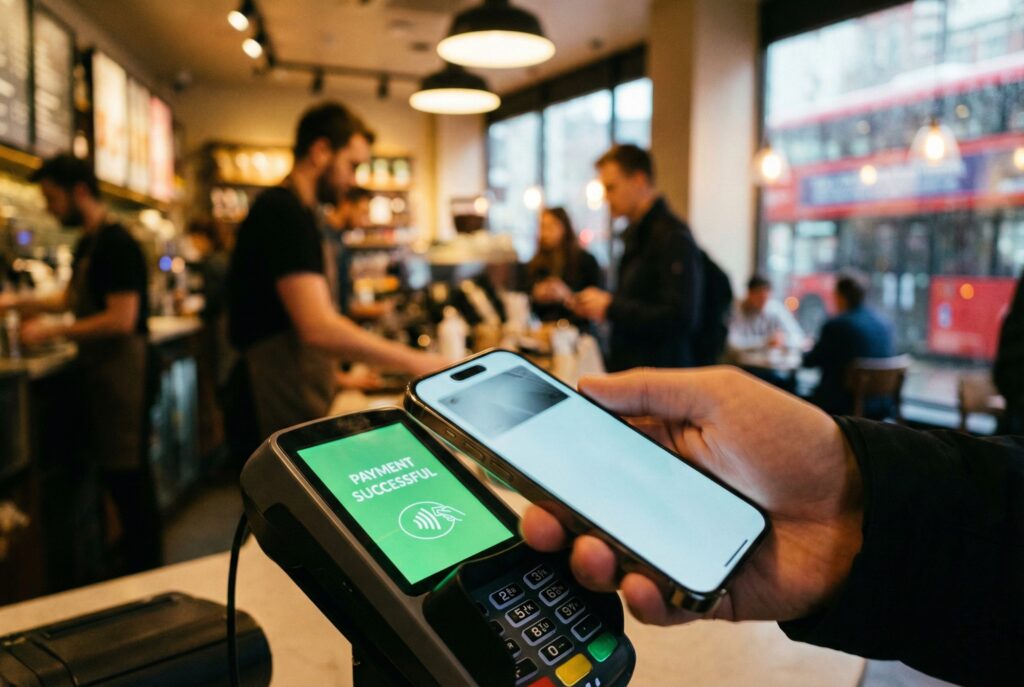
The goal is invisibility. Apple wants the financing process to feel like just another tap.
When a user in the UK or Canada hits Apple Pay at checkout—whether for a pair of sneakers or a flight—a new “Pay Later” or “Installments” dropdown appears. No redirects. No QR codes. You select a provider like Klarna, pick a schedule (bi-weekly, monthly), and authenticate with Face ID.
Privacy remains the differentiator. Apple explicitly walls off your purchase history. The lender gets only the data required to approve the loan. They don’t get your full shopping profile to build an ad model.
Comparison: Old vs. New Model
The following table shows the stark difference between Apple’s initial attempt and the current global strategy.
| Feature | Original “Apple Pay Later” (US Only) | “Installments in Apple Pay” (UK & Canada) |
|---|---|---|
| Lender | Apple Financing LLC | Third-party partners Klarna, Affirm, Monzo |
| Availability | Discontinued US | Live UK, Canada, US, and select EU |
| Loan Terms | Pay in 4 6 weeks | Varies by partner Pay in 3, Pay in 4, Monthly |
| Credit Check | Soft pull by Apple | Managed by partner Soft/Hard pull varies |
| Management | Apple Wallet exclusive | Apple Wallet + Partner App |
Market Implications and Adoption

This rollout is a direct threat to the standalone apps of the very partners Apple is working with. It’s a paradox. Klarna gains volume, but they lose the user interface. Why would a user open the Klarna app to generate a “ghost card” when their iPhone offers the same loan natively at the register?
For merchants, the math is simple. There is no technical integration required. If a store accepts Apple Pay, they now effectively accept installments. This removes the “integration gap” that often stalls BNPL adoption among smaller retailers.
Security and Responsible Lending
Ease of access usually brings higher debt risk. However, the pivot to partners like Monzo and Affirm introduces a layer of regulation that was arguably thinner under Apple’s proprietary model. These are regulated entities subject to strict oversight by the UK’s Financial Conduct Authority and Canadian equivalents.
Users can track everything in the Apple Wallet’s “Finance” dashboard. It acts as a debt aggregator, showing upcoming payments across different lenders in a single list—a crucial feature for preventing users from accidentally stacking too many loans.
Future Outlook
The UK and Canada are proving grounds. With the API infrastructure now proven, expanding to Australia, Japan, or the EU is simply a matter of signing local contracts.
This marks the end of Apple’s experiment as a bank and the beginning of its era as a financial hub. By turning the iPhone into a comprehensive terminal, Apple has secured its place in the transaction chain without holding the bag on the loans. It’s cleaner, smarter, and infinitely more scalable.
