


Meta Platforms just killed three of its internal virtual reality development studios. Sanzaru Games, Twisted Pixel Games, and Armature Studio are gone. The shutdowns, confirmed late Tuesday, mark a hard pivot in the company’s hardware roadmap and arrive alongside a 10% workforce reduction at Reality Labs—sending roughly 1,000 employees home.
This isn’t just trimming fat. It is a retreat from high-budget VR gaming to fund the company’s obsession with AI and wearables. While Meta claims it will support the Quest 3, the money is aggressively moving toward smart glasses. The restructuring even hit Supernatural, the popular fitness app; despite fighting the FTC to acquire it, Meta has halted new content development.
The End of an Era for VR Pioneers
These weren’t side projects. The three studios shuttered this week were pillars of the “Oculus Studios” label. Their closure strips the Reality Labs ecosystem of serious talent and intellectual property.
Sanzaru Games, acquired in 2020, is the most high-profile casualty. They built Asgard’s Wrath 2, the massive RPG bundled with the Quest 3 to showcase what the headset could actually do. Critics loved it. But AAA VR development burns cash, and the returns simply didn’t justify the cost.
Then there is Armature Studio and Twisted Pixel Games. Both bought in 2022, they handled the heavy lifting on major franchises and stylized experiences. Armature delivered the highly successful Resident Evil 4 VR port. Twisted Pixel had barely released Marvel’s Deadpool VR in November 2025 before the lights went out.
Strategic Realignment: From Immersion to Assistance

Why the cuts? A brutal “correction” in strategy. For years, Meta bet the farm on fully immersive VR as the next computing platform. But bulky headsets have a retention problem. Lightweight wearables don’t.
Internal memos cited by The Verge and Bloomberg paint a clear picture: savings from these closures are flowing directly into AI-integrated smart glasses. The sleeper success of the Ray-Ban Meta glasses convinced leadership that the near-term future is “heads-up” AI assistance, not “heads-in” virtual worlds.
The Data: A History of Acquisitions and Closures
Tuesday’s news continues a consolidation wave that started back in 2024. Here is where Meta’s major VR bets stand as of January 2026.
| Studio | Key Title(s) | Acquired | Status (Jan 2026) |
|---|---|---|---|
| Sanzaru Games | Asgard’s Wrath 2 | 2020 | Closed |
| Twisted Pixel | Marvel’s Deadpool VR | 2022 | Closed |
| Armature Studio | Resident Evil 4 VR | 2022 | Closed |
| Ready at Dawn | Lone Echo / Echo VR | 2020 | Closed (Aug 2024) |
| Downpour | Onward | 2021 | Merged (2025) |
| Beat Games | Beat Saber | 2019 | Active |
| Camouflaj | Batman: Arkham Shadow | 2022 | Active |
Impact on the Quest Ecosystem
If you own a Quest, you should be worried about the software pipeline. First-party studios are usually the only ones with pockets deep enough for massive games like Asgard’s Wrath. With those teams gone, the platform must lean on third-party developers and indie studios to fill the void.
Supernatural stays online, sure. But pausing new workouts puts the app in “maintenance mode.” It’s a stark reversal—especially considering Meta fought a dedicated antitrust battle against the FTC just three years ago to acquire the app’s parent company, Within.
The Future of Reality Labs
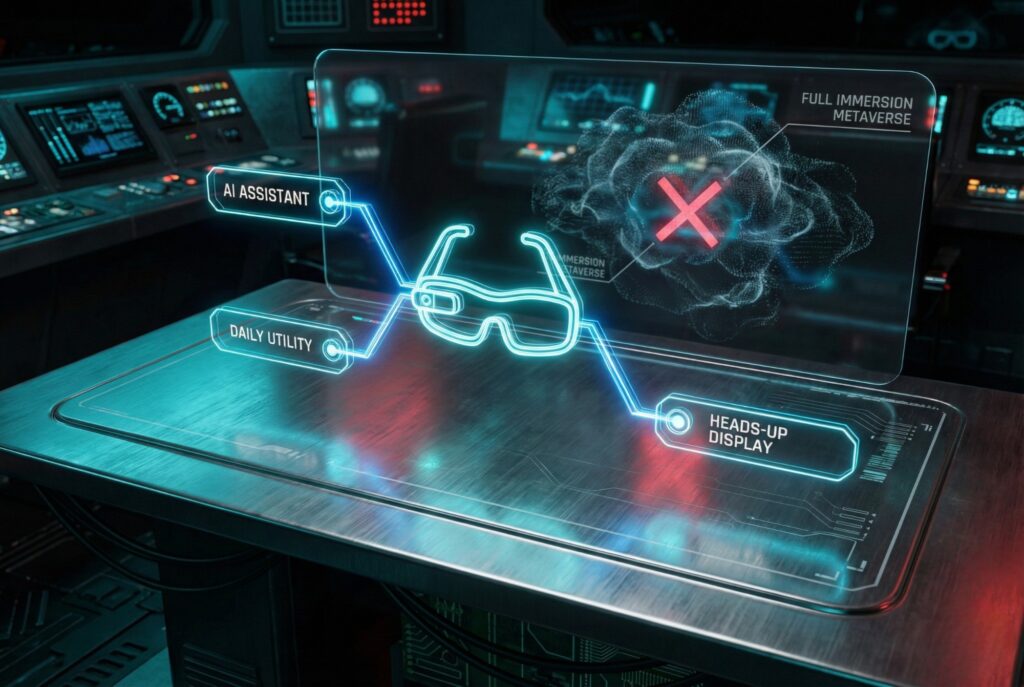
The blank checks are gone. This strategy shift proves Meta is done sustaining the $10 billion annual operating losses that defined the early Reality Labs days. They are slimming down to focus on hardware that offers utility, not just escapism.
Studios like Beat Games and Camouflaj likely survived because they make money. But the message to the industry is loud: The era of speculative Metaverse spending is over. Meta is a wearables company first. VR gaming is just a side hustle.