


The Moment of Truth for Redmond
Microsoft (NASDAQ: MSFT) dropped its Fiscal Year 2026 second-quarter earnings report today, delivering the definitive update on its massive infrastructure gamble. Wall Street entered the session expecting revenue of approximately $80.3 billion and earnings per share (EPS) of roughly $3.90. Microsoft hit the headline numbers. But let’s be honest—investors aren’t obsessing over the top line right now. The real narrative is the expense bill: an estimated $50 billion-plus annualized pace of capital expenditure (CapEx) aimed at securing AI dominance.
Skepticism ran high going into the print. While the “Intelligent Cloud” segment has long been the company’s engine, the gap between writing checks for infrastructure and cashing checks from revenue has widened. Today serves as a litmus test for CEO Satya Nadella. The question isn’t whether Microsoft can build the data centers. It’s whether enterprise adoption can steepen fast enough to pay for them.
Azure and the Revenue Reality
If you want to take Microsoft’s pulse, look at Azure. Analysts pinned their hopes on a 37% growth rate (in constant currency), a target management set during the Q1 call. The Q2 results confirm that cloud demand is holding up, even as the broader software market tightens its belt.
The integration of Copilot across the Microsoft 365 stack is finally showing teeth. We are seeing a shift from cautious pilot programs to full-scale deployments in Fortune 500 companies. This “Copilot uplift” is critical. If Azure growth holds above the 35% threshold, it validates the thesis that AI workloads are actually dragging traditional cloud consumption upward. Any deceleration here, however, signals that the AI “platform shift” is dragging its feet—taking longer to monetize than the hardware bills suggest.
Then there is the “Azure AI Services” sub-segment. Projected to hit an annualized run rate of nearly $24 billion this fiscal year, this metric is the counterweight to the ballooning CapEx. Its performance in Q2 tells us if customers are merely testing models or running them in production at scale.
The $50 Billion CapEx Question
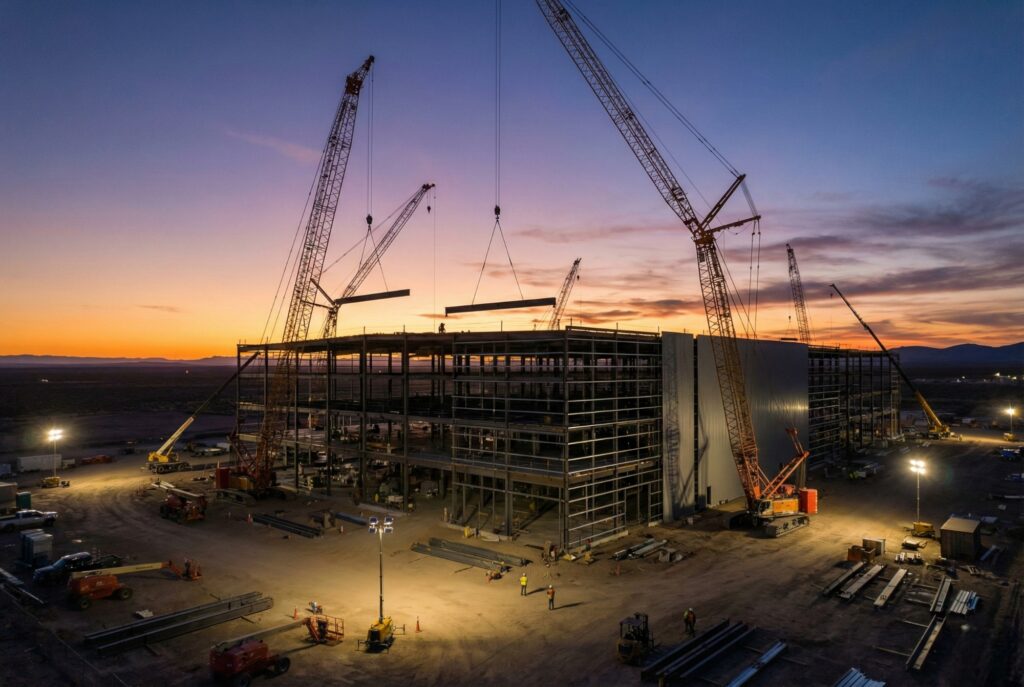
Capital expenditure is the number everyone is fighting over. Last quarter, Microsoft warned that spending would jump sequentially, driven almost entirely by cloud and AI infrastructure. They weren’t kidding. For Q2 FY26, estimates placed CapEx near $36.25 billion for the quarter alone. Annualize that, and you are spending more than the GDP of many nations.
This surge is funneling directly into data center construction and the procurement of GPUs and custom silicon like the Maia 200 chip. CFO Amy Hood has consistently framed this as “front-loading” costs to meet capacity-constrained demand. But the market’s patience is thinning. The verdict today hinges on operating margins. If Microsoft can keep margins near 40% despite this heavy investment cycle, it demonstrates discipline. It separates them from competitors who are just burning cash to catch up.
By The Numbers: Q2 FY26 vs. Q2 FY25
The table below compares current consensus estimates for Q2 Fiscal Year 2026 against actual results from the same quarter one year prior.
| Metric | Q2 FY25 (Actual) | Q2 FY26 (Consensus Estimates) | YoY Change (Approx.) |
|---|---|---|---|
| Revenue | $69.6 Billion | $80.3 Billion | +15.3% |
| Earnings Per Share (EPS) | $3.23 | $3.92 | +21.3% |
| Azure Growth (CC) | 30% | ~37% | +700 bps |
| Capital Expenditure | $26.5 Billion | $36.2 Billion | +36.6% |
| Operating Margin | 43% | ~41-42% | Slight Decline |
Note: Q2 FY26 figures represent analyst consensus estimates leading into the print.
Hardware and Silicon Independence
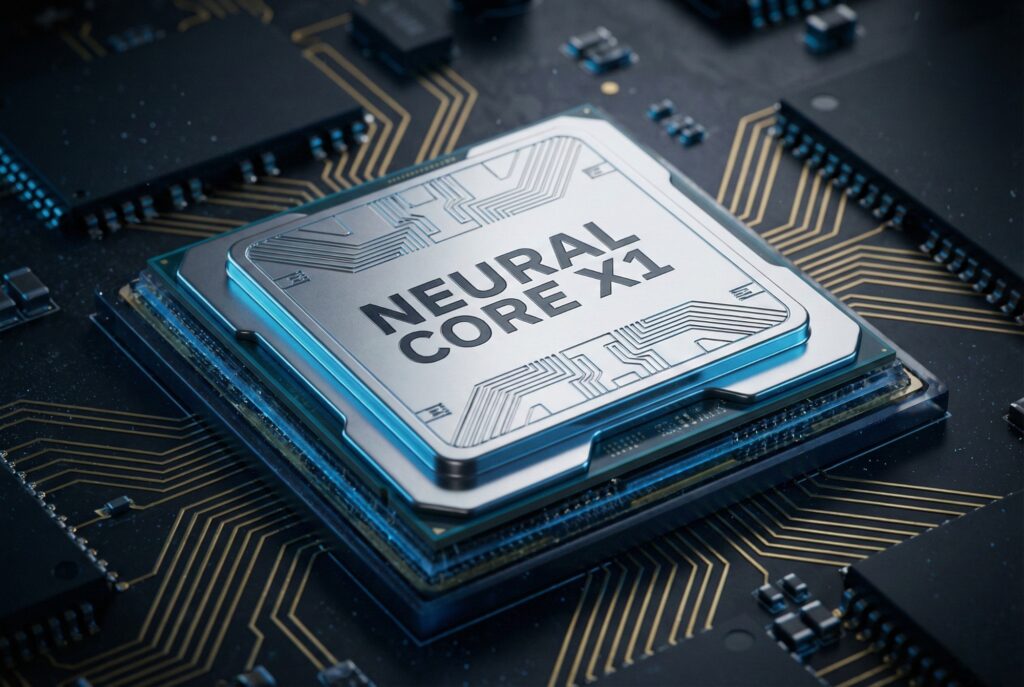
A key piece of the spending puzzle is internal hardware. This report sheds light on the deployment of the Maia 200 AI accelerator. This isn’t just about performance—it’s about economics. By moving workloads from expensive third-party GPUs to its own silicon, Microsoft aims to fix its gross margins.
NVIDIA remains a critical partner, of course. But the scale of Microsoft’s investment in its own supply chain is glaringly obvious in the Q2 cash flow statement. The “Verdict” here is long-term: investors need to see evidence that internal silicon is bending the cost curve. If the cost of revenue for AI services stabilizes, the vertical integration strategy is working.
Outlook for the Second Half of FY26
As Microsoft crosses the halfway mark of its fiscal year, eyes turn to guidance. The commentary on Q3 will be decisive.
The market needs reassurance that the “capacity constraints” management frequently cites are easing. Faster revenue realization is non-negotiable. Furthermore, the trajectory of “Intelligent Cloud” revenue will decide if the stock breaks out of its recent trading range. A forward guide predicting accelerated Azure growth effectively endorses the current spending levels. A conservative guide? That could reignite fears of over-investment.
Ultimately, this quarter confirms Microsoft is willing to eat short-term margin compression to own the AI utility layer. The $50 billion question hasn’t been answered with a simple “yes” or “no” yet. But the data suggests the demand is real—even if the timeline for massive profit scaling stretches further into 2027.
