
Wall Street wanted a number. Alphabet gave them a shock.
On Wednesday, the tech giant dropped a bombshell projection for 2026: capital expenditures between $175 billion and $185 billion. Revealed during the Q4 2025 earnings call, that figure doesn’t just double their 2025 spend—it blows past analyst estimates by over $60 billion. CEO Sundar Pichai calls it necessary survival for the AI era. Traders called it a sell signal.
The Sticker Shock Heard Round the Market
Let’s put $185 billion in perspective. That budget exceeds the entire GDP of Ukraine or Kuwait. It is a staggering sum for a single year, and it signals a hard pivot in Mountain View.
Everyone expected a hike. But nobody expected this. Consensus estimates sat around $119.5 billion. By blowing past that, Alphabet is effectively telling shareholders that infrastructure dominance now matters more than short-term margins.
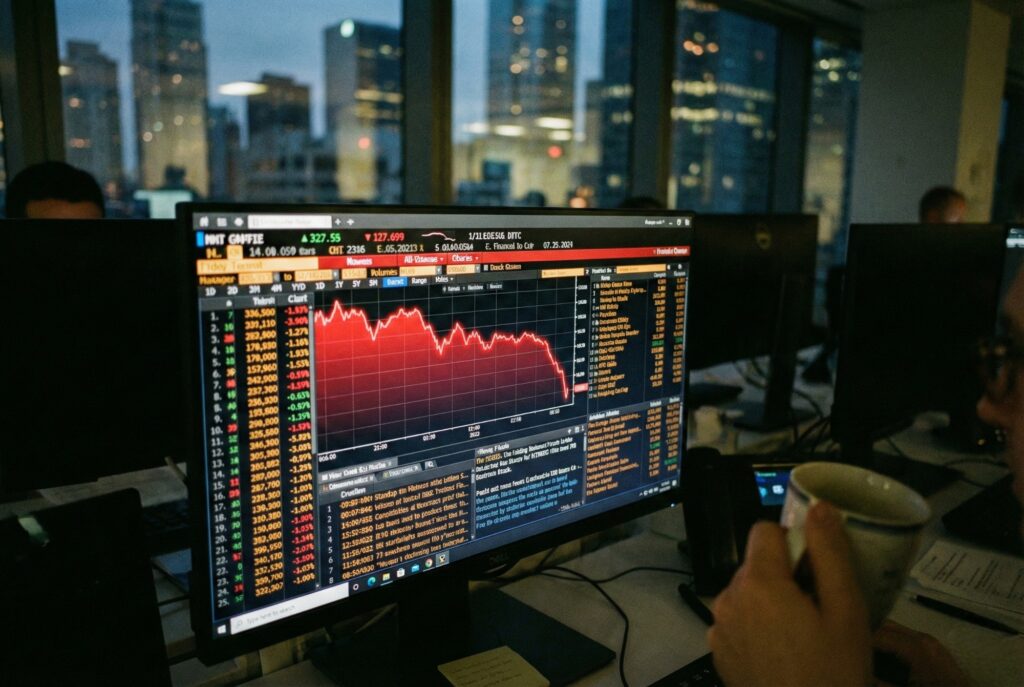
CFO Anat Ashkenazi didn’t sugarcoat it. The cash is flowing into technical infrastructure, and yes, it will hurt the books. “The significant increase in our investments… will continue to put pressure on the P&L,” she admitted, flagging higher depreciation and operational costs. Even though Google crushed Q4 revenue—Cloud surged 48%—the spending forecast sent shares sliding 6% in extended trading before finding a floor.
Where is the Money Going?
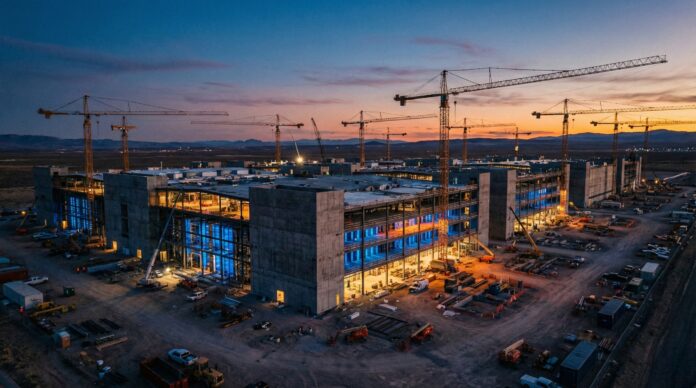
This isn’t just about building empty warehouses. Alphabet broke down exactly where the cash is bleeding: computing power.
The Q4 2025 split was telling: 60% went strictly to servers. The remaining 40% covered data centers and networking gear. Expect 2026 to look the same. The mission? Hoard the custom Tensor Processing Units (TPUs) and GPUs needed to train beasts like Gemini 3.
Google is fighting physics here. Pichai admitted the company remains “supply constrained” on power, land, and chips. Front-loading the cash is their only way to break the bottleneck—even if they have to pay a premium to do it.
The Hyperscaler Spending Wars
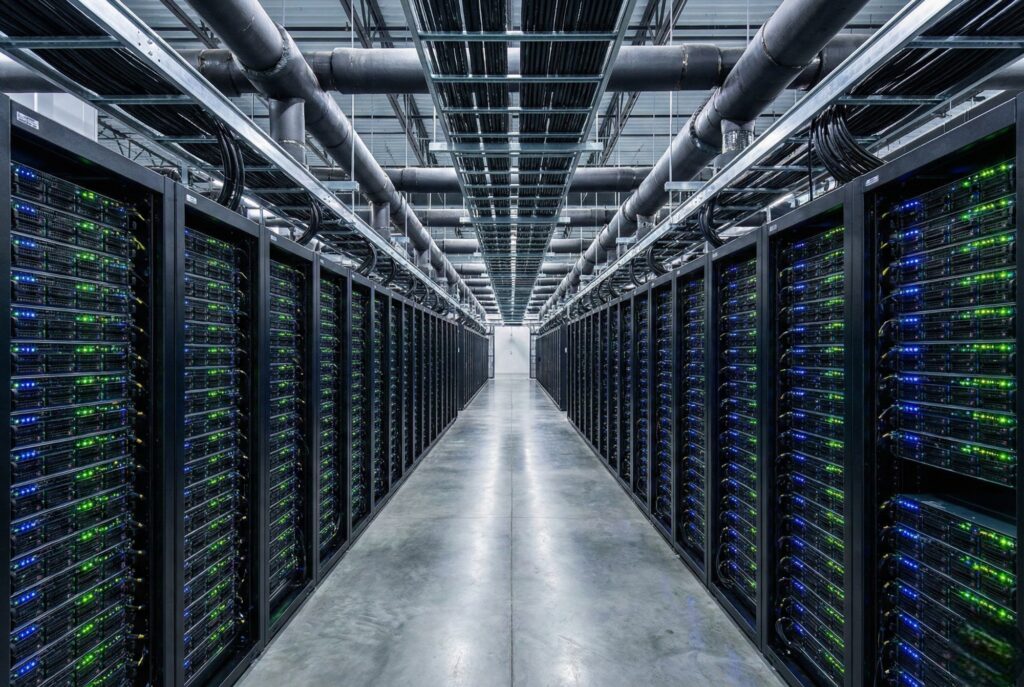
The infrastructure cold war among the “Hyperscalers” just got hot. Microsoft and Amazon haven’t shown their full 2026 cards yet, but the gap is already visible.
2026 Infrastructure Spending Projections (Estimated)
| Company | 2025 CapEx (Approx.) | 2026 Projected CapEx | Primary Focus |
|---|---|---|---|
| Alphabet (Google) | ~$91.4 Billion | $175B – $185B +91-102% | Custom TPUs, Data Centers, Gemini Support |
| Meta | ~$72.2 Billion | $115B – $135B +59-87% | AI Training Clusters, Llama Development |
| Amazon (AWS) | ~$85 Billion | ~$146.6B +72% | AWS Infrastructure, Logistics |
| Microsoft | ~$90 Billion | Sequential Decrease (Q1) | OpenAI Support, Azure Expansion |
Data sourced from Q4 2025 earnings calls and analyst consensus reports.
Alphabet is sitting alone at the top. Look at the gap with Meta. It highlights a fundamental difference: Meta supports social feeds; Google is trying to index the entire internet while generating AI responses for billions of users. The scale isn’t comparable.
The “Supply Constraint” Reality
When executives mention “supply constraints,” pay attention. It’s industry code for “we can’t build data centers fast enough.”
Buying chips is the easy part. Finding the electricity to turn them on? That’s the nightmare. Modern AI racks require power densities that standard local grids can’t handle.
Amin Vahdat, Google’s AI infrastructure lead, reportedly dropped a hard truth internally late last year: Google needs to double its serving capacity every six months. That is exponential growth. It requires exponential spending. If Google blinks, enterprise clients will walk straight to Azure or AWS.
Risk vs. Reward
Here is the gamble. If they build the pipes but the money doesn’t flow, Alphabet’s margins get crushed.
But the demand looks real. Google Cloud’s backlog jumped 55% to $240 billion in Q4. Companies are signing long-term contracts, essentially underwriting Google’s construction boom.
Plus, search is evolving. Pichai called it an “expansionary moment,” citing AI Overviews and the new “AI Mode.” If these tools can defend the ad monopoly against OpenAI, that $185 billion might look cheap in retrospect.
Looking Ahead
Alphabet isn’t just updating a feature set; they are rebuilding their entire platform.
2026 will test investor nerves. The company is betting the balance sheet on a simple premise: the future belongs to whoever owns the silicon and the sockets. Wall Street hates the price tag today. But missing the platform shift? That would cost everything.
